How personal narratives change once they leave the people who lived them
Personal stories do not lose their facts when they enter public space. They lose their control.
This piece examines what happens when lived experiences leave their source, and why meaning shifts once stories are retold at scale.
Stories Don’t Travel Intact
In The Algorithmic Gatekeepers, I examined how systems shape visibility. This follow-up shifts the focus to people and asks a more difficult question. What happens when lived experiences move beyond those who lived them?
Once a story leaves its source, it is no longer remembered. It is interpreted, reshaped, and repurposed.
When Meaning Changes Hands
“Once your tale is shared, it is no longer your story,” says Maria Rosey, founder of Viral Nest PR.
Not in terms of facts. Those remain. But the meaning people attach to those facts no longer belongs to you.
“You will never lose ownership of your factual experiences,” she explains, “but you will lose ownership of the meaning attached to those experiences.”
That is the first shift. A lived experience carries context, contradiction, and emotional weight. Once retold, its meaning becomes negotiable, shaped by those who carry it forward and those who consume it.
What begins as something personal becomes something publicly interpreted.
Where Distortion Begins
“Distortion begins at the first internal translation,” says Atdhe Trepça, founder of Happy Productions, the moment a producer reframes raw testimony into a brief.”
It is not about bad intent. It is about pressure.
Stories must fit formats, headlines, short videos, campaign messaging. In that process, specificity is often the first thing lost.
“A Lakota grandmother talking about water sovereignty carries a land, a treaty, a grandchild’s name,” he says. “Once it enters a donor deck, it flattens into ‘Indigenous women fight for clean water.’ Same facts, but the story has been turned into something else.”
From there, distortion accumulates.
Rosey describes a chain of retellings, where each version builds on the last, filtering the story through new perspectives and priorities. What remains is no longer the original experience, but a version shaped by layers of interpretation.
Nuance fades. Complexity narrows. What was once lived becomes something easier to explain and easier to repeat.
From Person to Symbol
As stories travel, individuals are often reduced to what they represent.
Trepça calls this “symbol reduction,” where a person becomes evidence for a broader argument. Their experience shifts from something lived to something used.
This is not simply a failure of storytelling. It is often a function of scale.
The very systems that give stories reach are the same systems that reshape them.
Traditional reporting tends to prioritise clarity and scope. As Sam Yehia of Orato World Media explains, it focuses on numbers and impact. First-person storytelling attempts to counter this by centring lived experience.
But even proximity has limits.
“Every human develops biases based on their experiences,” Yehia says. “Distortion and loss of context occur as a result.”
There is no untouched version of a story waiting to be preserved. Only perspectives, shaped by memory and position.
The Human Cost of Distance
As that gap grows, the consequences become personal.
“You now have been given a different identity than who you are,” Rosey says. “And that can hurt.”
Experiences, once reshaped, can return to the individual in unfamiliar forms, simplified or stripped of their original meaning.
The impact extends beyond identity.
“When contributors see the final version and do not recognise themselves,” Trepça notes, “community trust erodes. Next year’s access dries up.”
Over time, this changes behaviour. People become more cautious about sharing their experiences, more sceptical about how those experiences will be used.
Meanwhile, audiences often feel they understand more than they actually do.
“The audience feels informed,” Trepça says, “while being further from the lived truth.”
Holding the Line on Integrity
Efforts to preserve the integrity of personal storytelling are evolving, but they come with trade-offs.
At Orato, Yehia describes a mode where journalists act less as interpreters and more as recorders, capturing stories in the subject’s own words without inserting opinion.
It is an attempt to reduce distortion, not eliminate it.
Trepça points to another approach, ongoing consent. Contributors remain involved as their stories are shaped and reshaped.
“Every repurposing gets source review,” he explains. “It is slower. But it is the only way the story stays honest.”
These approaches do not solve the problem. They acknowledge it and attempt to limit it.
No Clean Resolution
There is no perfect way to tell someone else’s story.
First-person narratives bring audiences closer, but they do not remove bias. Traditional reporting provides structure but often strips away human depth. Platforms amplify both, while rewarding simplicity over complexity.
Stories do not just travel. They are rewritten by distance.
The further a story moves from the person who lived it, the less it belongs to them, and the more it belongs to those who reshape it.
And at scale, even truthful stories become approximations.
Expert Profiles, Voices and Practical Takeaways
Maria Rosey
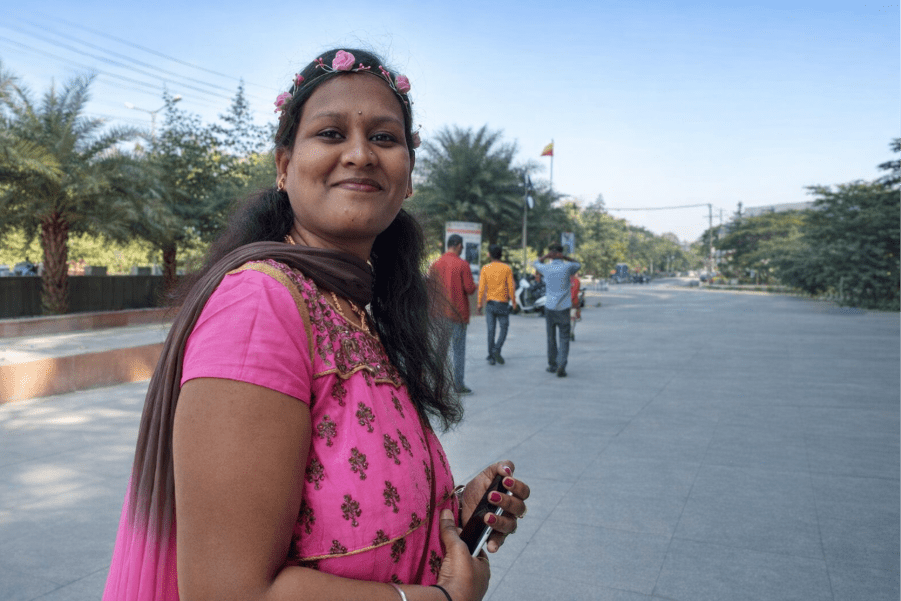
Maria Rosey is a communications strategist specialising in narrative positioning and brand storytelling. Her work focuses on how stories are framed, interpreted, and reshaped across media and public spaces.
Expert Voice
“Once your story is shared, you do not lose the facts, but you lose control over how those facts are understood.”
Practical Takeaway
If you choose to share your story, define your meaning early and clearly. Repetition helps anchor your version before others reinterpret it.
Atdhe Trepça

Atdhe Trepça leads a New York-based production company that documents first-person stories for global nonprofits. His work centres on translating lived experiences into visual narratives while preserving authenticity.
Expert Voice
“Distortion begins at the first translation, when lived experience is reshaped to fit format, audience, or purpose.”
Practical Takeaway
Build review into the storytelling process. Ongoing consent and source involvement are the most effective ways to preserve accuracy as stories evolve.
Sam Yehia
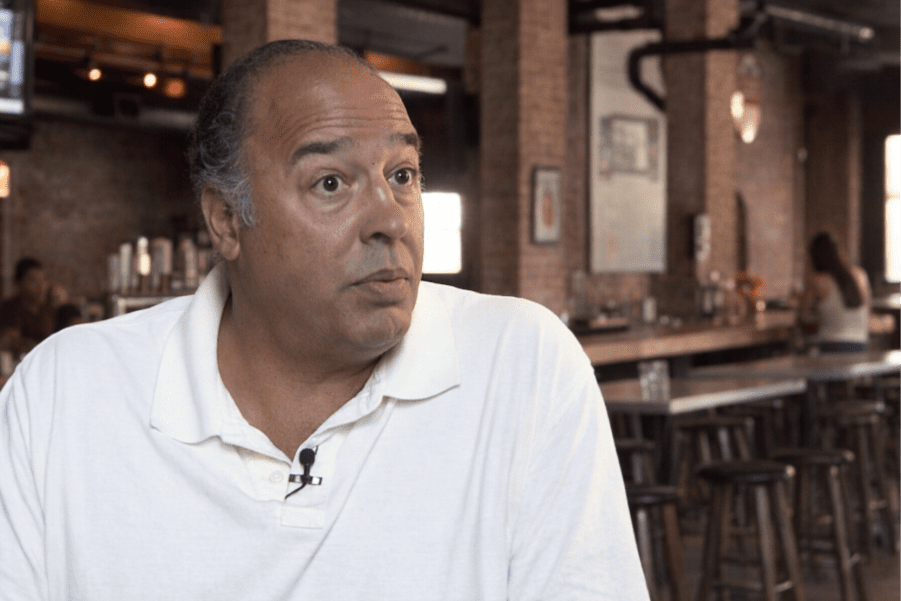
Sam Yehia heads Orato World Media, a platform dedicated to first-person journalism. His work focuses on amplifying eyewitness accounts and preserving the integrity of lived experiences through direct storytelling.
Expert Voice
“There is no single, untouched version of a story, only perspectives shaped by experience, memory, and position.”
Practical Takeaway
Prioritise first-person accounts where possible. The closer a story stays to its source, the more context and human depth it retains.