The Resistance
Awareness Was Not Freedom
By the time Thomson understood that the system had not left him, something had already shifted. He no longer trusted his instincts the way he once did, and that was the residue.
Thomson thought awareness would set him free. He had left the newsroom believing distance would give him control. It didn’t.
Walking away had given him distance, and recognising the patterns had given him clarity, but neither gave him control. If anything, it made things harder.
When Everything Feels Constructed
Now, every piece of information felt uncertain. Headlines felt engineered, narratives felt incomplete, and even silence began to feel intentional.
Thomson no longer consumed the news the way he used to, but he hadn’t stopped consuming it. That was the problem.
You cannot unsee what you have already seen, and you cannot unknow how something works once you understand it.
The Reflex Problem
So, he tried something different. He slowed down.
Where he once reacted instantly, he paused. Where he once concluded quickly, he questioned. Not just the story, but himself.
Why does this feel convincing? Why does this trigger a reaction? What am I assuming without evidence?
At first, it felt unnatural, almost uncomfortable.
Because the modern information cycle does not reward reflection. It rewards reaction. Scroll, react, share, move on.
And Thomson had been trained, like everyone else, to operate that way.
Unlearning Is a Process
Unlearning that instinct was not immediate. Some days he caught himself, other days he didn’t.
A headline would still provoke him. A viral clip would still pull him in. An opinion would still feel like the truth before it had been tested.
And each time, the pattern revealed itself.
The system was not just external. It was behavioural. It lived in habits, in shortened attention spans, in emotional triggers, and in the quiet need to feel certain, even when certainty was not earned.
The Cost of Thinking Differently
Mental independence is not the absence of influence. It is the awareness of it.
You do not escape the system by leaving it. You escape it by refusing to operate on autopilot within it.
But that came at a cost.
Slowing down meant missing out. While others reacted instantly to trending stories, he hesitated. While conversations moved quickly online, he held back. While narratives formed in real time, he was still questioning them.
To some, it looked like uncertainty. To others, it looked like disengagement.
But to Thomson, it was discipline.
From Speed to Accuracy
For the first time, he was not trying to be first. He was trying to be right.
And in a world driven by speed, that is a difficult position to hold.
There were moments he considered going back. Back to the clarity of the newsroom. Back to structure. Back to certainty, even if it was manufactured.
Because uncertainty is exhausting.
But he knew better now. The clarity he once trusted had been constructed for him.
Staying With the Discomfort
So, he stayed in the discomfort.
Learning to sit with incomplete information. Learning to question his own instincts. Learning to accept that truth often moves more slowly than the narratives built around it.
This was not the freedom he expected. It was quieter, more demanding, less visible, but it was real.
A Deliberate Choice
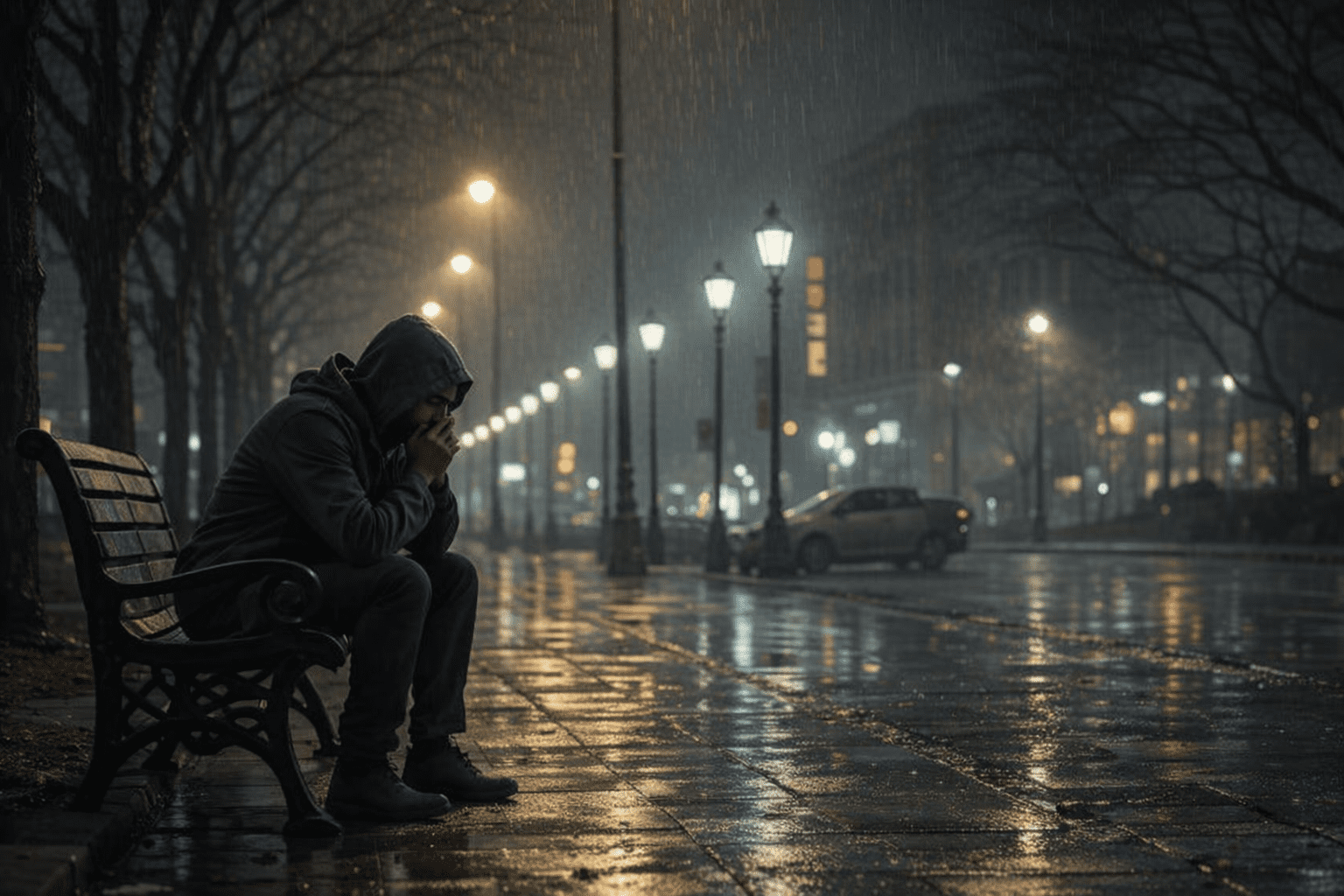
Thomson picked up his phone again. A headline flashed. He read it, paused, then read it again.
This time, he didn’t rush to understand it. He created space between the information and his reaction.
A small moment, easy to ignore, but different.
Because for the first time in a long time, Thomson was not being led. He was choosing.
The Hardest System to Break
And maybe that is what freedom looks like.
Not the absence of influence, but the ability to recognise it, question it, and decide what to do with it.
Quietly. Deliberately. Independently.
Because in the end, the most powerful system is not the one that controls information. It is the one that controls how people think.
And the hardest system to break is the one that lives inside you.
Part 5: The Reclamation
The Conclusion
But this is where this story ends.
What follows is a different investigation.
THE TRAP
How African Migrants Are Shaped by Western Systems, and Why No One Tells the Truth