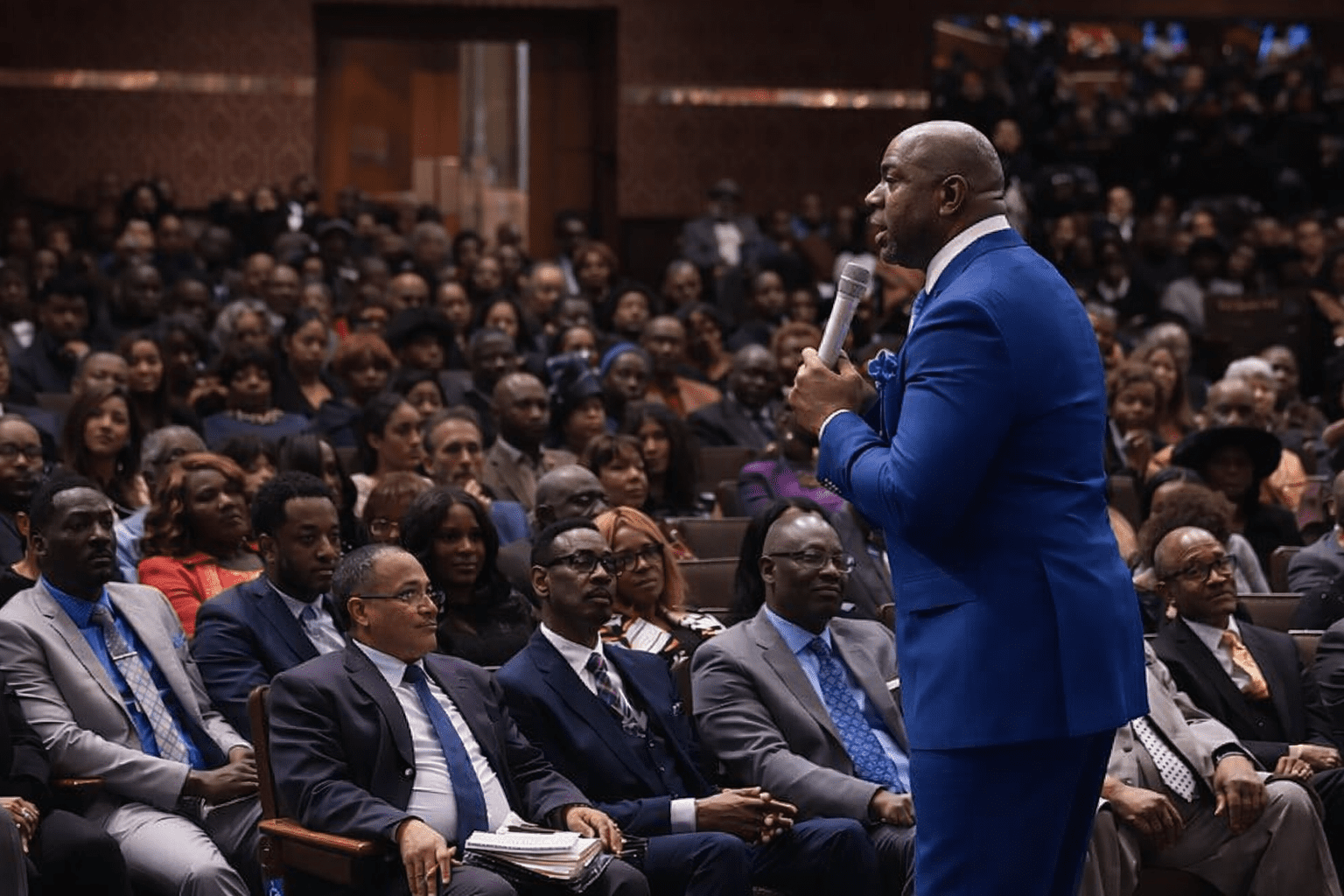
On a recent Sunday morning in Thamesmead, South London, the drums began before the priest reached the altar. African praise songs echoed through the church as children danced beside their parents, and families arrived dressed in bright colours and traditional attire. It was a scene that reflected a changing Britain.
The congregation was overwhelmingly Black, largely made up of African and Caribbean worshippers. Standing at the altar, however, was a white British priest quietly presiding over a parish that older members say once reflected a predominantly white British community. Today, the demographic reality is markedly different.
This transformation is not unique to Thamesmead.
A Changing Religious Landscape
Across Britain, churches that once stood at the centre of community life are seeing declining attendance. Some have shut their doors entirely. Others have been converted into flats, cafés, supermarkets or community centres. At the same time, many surviving congregations increasingly rely on immigrant worshippers to remain active and financially sustainable.
The contrast raises an uncomfortable question. If Britain’s Christian culture is fading, who is truly responsible for its decline?
For years, debates around immigration and multiculturalism have dominated British political discourse. Concerns about national identity, integration and social cohesion continue to shape elections, media coverage and public opinion. Yet Britain’s religious decline began long before recent migration patterns transformed the country’s demographic landscape.
According to the 2021 Census for England and Wales, fewer than half of residents identified as Christian for the first time in recorded history. The proportion of people identifying as having “no religion” rose significantly, particularly among younger generations. Church attendance across many denominations has been declining steadily for decades. The Church of England’s own attendance reports have also documented long‑term declines in regular weekly worship across many parishes.
The reality is difficult to ignore. Britain is becoming more secular not because immigrants erased Christianity, but because many Britons gradually disengaged from it.
That distinction matters.
Christianity and British Identity
Christianity has historically shaped nearly every layer of British public life. The monarchy, parliamentary traditions, school calendars, legal customs and national holidays all emerged from a deeply Christian cultural foundation. Christmas, Easter and Remembrance services were not simply religious observances. They became woven into Britain’s collective identity.
Modern Britain increasingly appears uncertain about how openly it wishes to express that heritage.
In many schools today, Easter celebrations revolve more around chocolate eggs than the resurrection story at the heart of Christianity. For many younger Britons, Christmas is becoming less associated with faith and more with shopping, entertainment and seasonal consumption. Public institutions increasingly favour the language of inclusivity and neutrality, often avoiding overt religious symbolism altogether.
Supporters of this shift argue that a modern multicultural democracy should not privilege one faith above others. They view secularism and institutional neutrality as necessary features of an increasingly diverse society.
There is merit in that argument.
Critics increasingly ask whether a society can remain culturally grounded after becoming disconnected from the traditions that historically shaped it. A nation may diversify successfully, but can it sustain a coherent identity if it gradually loses confidence in its own cultural foundations?
That debate has become more visible in recent years.
The Debate Around Public Institutions
The BBC’s expansion of programming reflecting Britain’s religious diversity, including live Ramadan coverage, has been praised by many as a positive reflection of modern Britain. At the same time, discussions surrounding changes to traditional Easter broadcasting have fuelled concerns among some Christians that Britain’s historic faith is losing cultural prominence within public institutions.
Perception matters, even when intentions are inclusive.
The Role of Immigrant Communities
Blaming immigrants for this transformation misses the deeper reality.
In many parts of Britain today, immigrant communities are among the people most actively sustaining Christian life. African, Caribbean and Asian congregations often maintain strong churchattendance, family-centred worship and deep religious commitment. In some areas, immigrant worshippers are effectively keeping churches alive that might otherwise have closed entirely.
The irony is striking.
The same Britain that once sent missionaries across Africa and Asia is now witnessing African and Asian Christians revitalising churches across Britain itself. Nigerian, Ghanaian and Kenyan priests increasingly serve parishes facing clergy shortages, while African‑led Pentecostal churches continue to grow in cities where traditional denominations struggle to attract younger worshippers.
“If the African families had not joined this parish, we might have closed years ago,” one church member in South London told me after service.
This is not cultural conquest. It is cultural continuity arriving from an unexpected direction.
A Crisis of Participation
The deeper issue may not be multiculturalism itself, but national disengagement.
A society cannot preserve traditions it no longer practises. It cannot expect younger generations to value customs that have already been reduced to symbolism without substance. If churches empty while consumer culture expands, decline becomes inevitable regardless of immigration levels.
Many Britons understandably worry about rapid cultural change. But culture rarely disappears solely because outsiders arrive. More often, it weakens because insiders gradually stop participating in it.
That may be Britain’s real crisis.
Between Heritage and Modern Britain
None of this means Britain should reject diversity or retreat into exclusionary nationalism. Modern Britain is irreversibly multicultural, and immigrant communities continue to contribute enormously to the country’s social, economic and spiritual life.
But multiculturalism functions best when the host society still understands its own identity. Diversity is easier to navigate when a nation remains confident in the traditions, institutions and values that shaped it. Britain today appears caught between heritage and hesitation. In many towns and cities, church buildings still dominate the landscape physically, while Christianity occupies a far smaller space in public life and private practice. The country appears uncertain whether Christianity remains a living foundation of national identity or merely a historical reference point.
The answer to that question will shape far more than church attendance figures.
No culture survives indefinitely through memory alone. It survives through practice, participation and belief. A nation rarely loses its identity in a single dramatic moment. More often, it fades quietly when people stop practising the traditions that once held society together. If Christianity continues to fade in Britain, the primary explanation may not be immigration, but whether Britons themselves still consider their own traditions worth sustaining.