From policing to sentencing, data reveals a troubling truth that Black defendants still face a justice system which judges colour before character.
By Olakunle Agboola
In most Western societies, the criminal justice system is often described as fair and impartial. However, for many Black people, it tells a different story, one where the law’s scales are rarely balanced. From policing to sentencing, Black individuals are disproportionately targeted, charged, and punished more harshly than their white counterparts. The facts are not hidden; they are simply uncomfortable to acknowledge.
The Data that Speaks Volumes
A recent study by the United States Sentencing Commission revealed that Black men receive sentences almost twenty percent longer than white men for the same offences. In the United Kingdom, while Black people make up just about eight percent of the population, they represent nineteen percent of the prison population. The numbers do not lie; they expose the deeper truth; justice is not colour-blind.
The difference often begins at the point of contact with law enforcement. Black individuals are more likely to be stopped, searched, and arrested, even when statistics show similar or lower rates of offending compared to whites. Bias, both implicit and institutional, continues to shape how justice is delivered and to whom.
Beyond the Courtroom
Discrimination does not stop once the handcuffs come off. It extends into the courtroom, where representation and perception collide. Studies have shown that even experienced white lawyers often feel the need to “work harder” to protect their Black clients. A lawyer defending a Black man knows he must challenge not just the prosecution but the silent bias sitting in the jury box.
Meanwhile, two individuals accused of similar crimes may face different outcomes simply because one is white and the other is not. The result is a justice system that reflects societal prejudice rather than pure legality.
The Human Cost
Behind the statistics lies the lived reality of men like Jamal, a 24-year-old Black student from London, arrested for an altercation outside a club. He was charged with assault while his white friends were let go with warnings. Jamal’s story is not unique; it represents a generation of young Black men learning that fairness often depends on the colour of your skin.
Once labelled, the consequences follow. A criminal record affects employment, education, and housing. The cycle of disadvantage deepens, feeding the same system that created it.
Black Lives Matter and the Fight Against Injustice
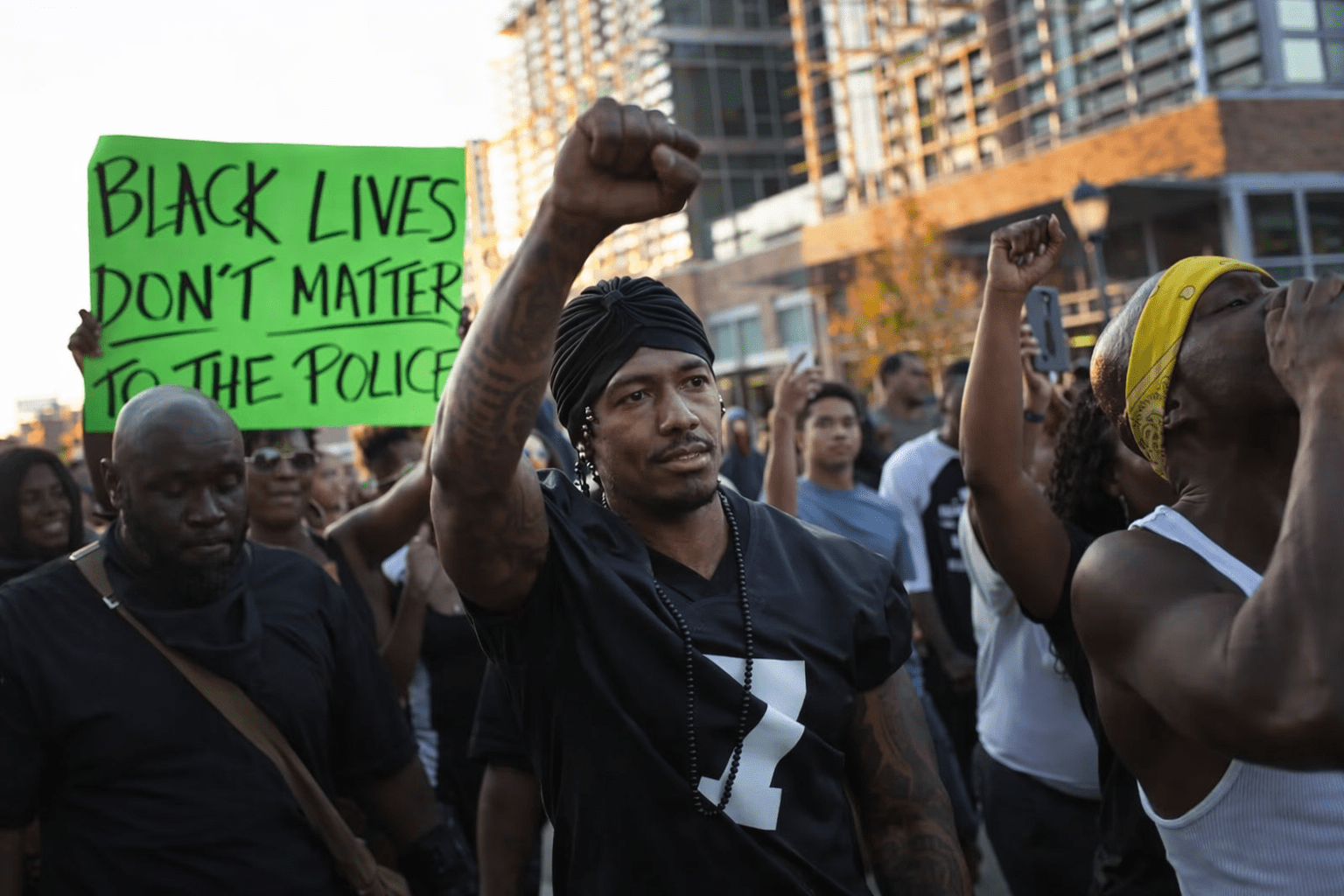
The Black Lives Matter movement brought global attention to police brutality and systemic bias. It was not just about George Floyd, Breonna Taylor, or countless others whose lives were lost; it was about the structure that allowed such injustice to persist. The movement forced the world to confront an uncomfortable truth: racism is not just about hate, it is about power and policy.
Western societies like to call themselves modern and equal, but the evidence in their prisons and police reports says otherwise. Reform has been promised many times, but the pace remains slow. Progress cannot happen until systems are restructured and accountability becomes more than a buzzword.
Towards True Justice
To fix this imbalance, Western justice systems must begin with honest self-examination. Police training must address implicit bias, judicial appointments should reflect diversity, and sentencing reviews must ensure fairness regardless of race. Justice should not depend on who can afford the best lawyer or who fits the right stereotype.
The goal is not to vilify white people but to dismantle a system built on centuries of racial inequality. Black communities are not asking for special treatment, they are demanding equal treatment, a justice system that protects them as much as it protects everyone else.
The Truth that Demands Action
As the world grows more multicultural, the integrity of justice depends on equality, not excuses. To pretend the problem does not exist is to accept injustice as normal.
As Martin Luther King Jr. once said, “Injustice anywhere is a threat to justice everywhere.” Until the colour of justice stops determining the outcome of a case, the system will remain flawed, and equality will remain a dream deferred.