After decades abroad, many Nigerians in their 60s and 70s are leaving the West behind, investing in homes back home, and embracing the African philosophy of ageing surrounded by family rather than in institutional care.
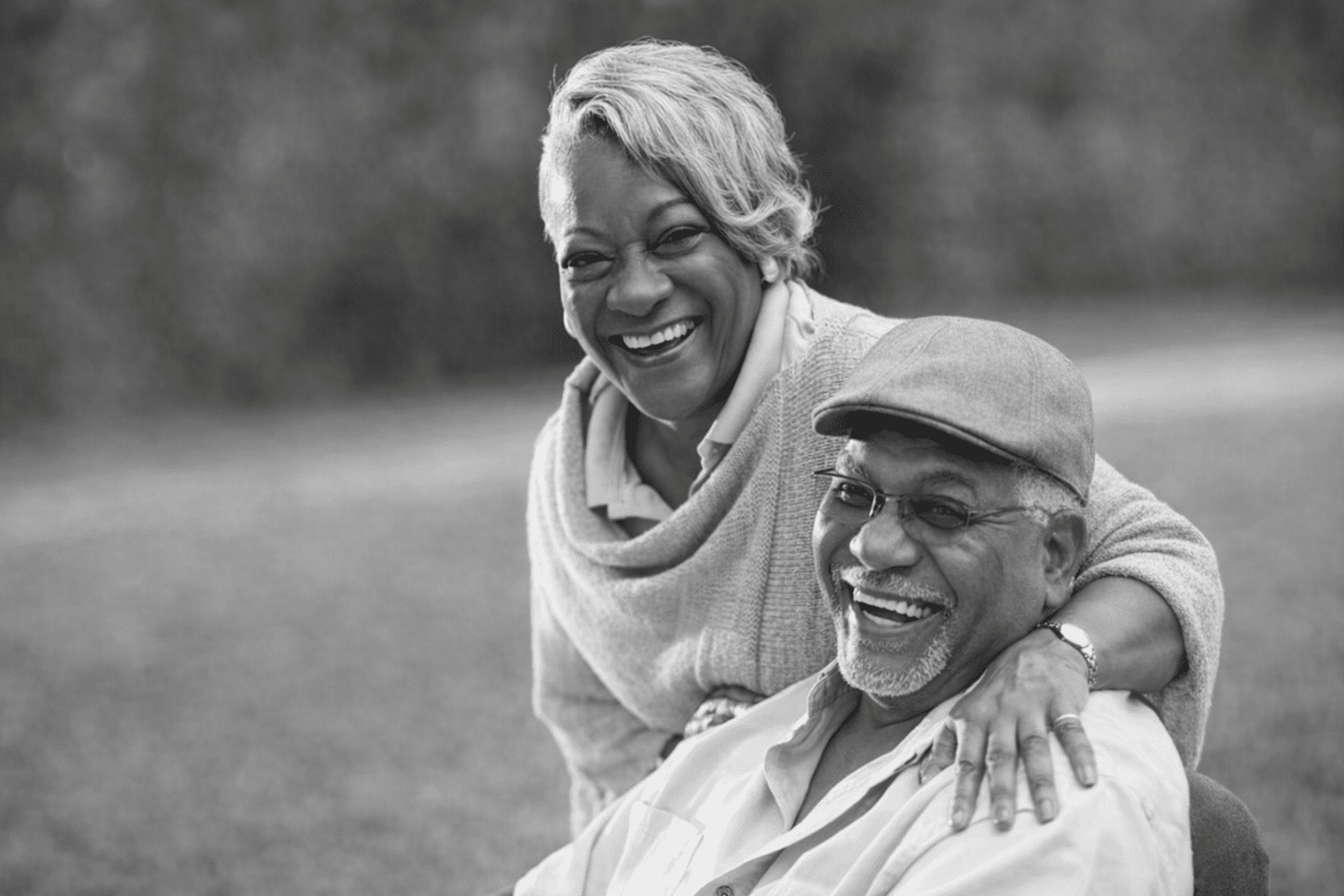
I was on a train recently when I met a 71-year-old Nigerian man named Aderopo. He had lived in the United Kingdom for more than 40 years, raised a family, and built a life many would admire. But as we talked, I realised his story was not about the comfort of the West, it was about coming full circle.
He told me that after turning 70 last year, he relocated back to Ibadan, Nigeria, where he built a cosy apartment for himself and his family. He still visits the UK every summer to see his wife, who prefers to stay back for now, and to spend time with his two grown children and their families.
When I asked whether his wife supported his decision, he smiled and said, “You know women. Sometimes you take the lead, and they follow.”
Now, he divides his time between both countries. In Nigeria, he has taken up small-scale farming and spends his mornings tending to crops and chatting with old friends. “I have finished my business here in the UK,” he said. “Now it is time to live out my old age in Nigeria and prepare my grave.”
That final line struck me deeply. It was honest and poetic. It made me ask a question that has lingered among Africans abroad for years. Why do so many of our people, after decades in the West, still dream of going home to die?
A Cultural Divide in How We Age
In the United Kingdom, ageing is structured, institutionalised, and supported by policy. More than 430,000 older adults live in care homes, according to Age UK (2024). Many elderly Britons sell their homes or use pension savings to fund residential care where trained professionals cater to their health and social needs.
It is a system built for independence but not necessarily for intimacy.
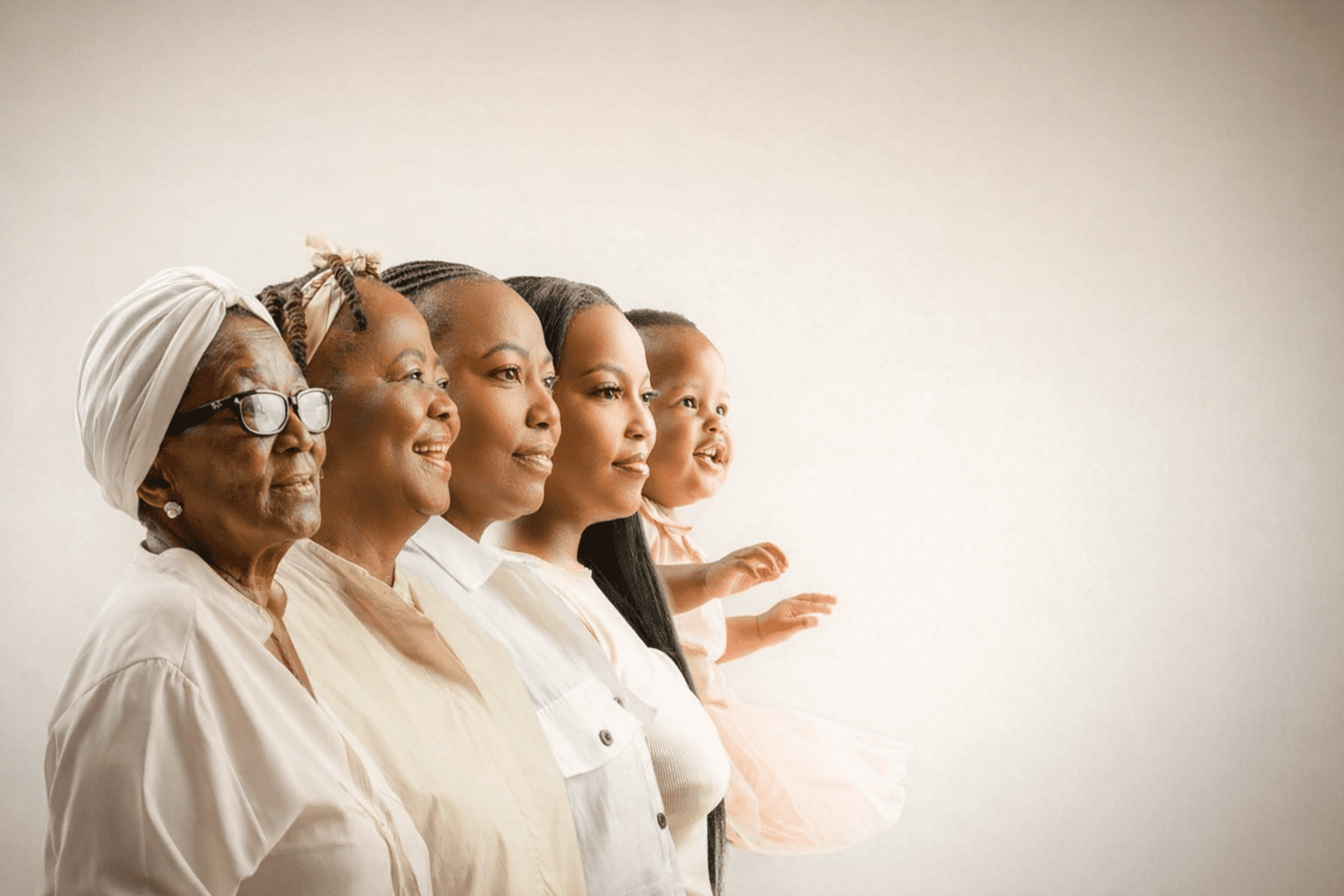
For Africans, that model feels unfamiliar. Ageing in African culture is a communal affair. It is not unusual to find three generations under one roof, with grandparents playing a central role in raising grandchildren. To die surrounded by family is not just a comfort; it is a cultural expectation.
Africans are raised to believe that family is the care home. The thought of being placed in one feels like emotional exile. For many, the goal is not merely to retire comfortably, but to retire honourably in their homeland among their people.
Dr Amina, a sociologist at the University of Kent, explained this contrast clearly. “For many Africans abroad, old age is not an individual journey but a family event. Western societies value privacy and systems, while African societies value presence and legacy,” she said.
The Economics of Returning Home
This yearning is not just sentimental; it is economic. A large portion of Africa’s diaspora invests heavily in real estate back home. The Central Bank of Nigeria reported that Nigerians abroad remitted $20.93 billion in 2023, with an estimated 70 percent channelled into housing, land, and family support.
For many, that house in Lagos, Ibadan, or Enugu is not just an asset; it is a retirement plan. It is a statement that says, I belong somewhere beyond my payslip.
The Nigerian government has recognised this pattern. Agencies such as NiDCOM (Nigerians in Diaspora Commission) and the Diaspora Housing Project (DAHP) have created initiatives to help returning citizens build or acquire homes with ease. They understand what is coming, a quiet wave of retirees heading back, not out of desperation but by design.
In some years, remittances from Nigerians abroad have rivalled or surpassed oil revenues, highlighting the diaspora’s role as one of the nation’s most consistent economic lifelines.
Between Two Worlds
For people like Aderopo, the UK represents labour, structure, and legacy, while Nigeria represents identity, purpose, and peace. “All my friends have gone home,” he told me. “Some left in their 60s. I was the last.”
This balance between economic life in the UK and emotional life in Nigeria defines the African diaspora’s reality. They may carry a British passport, but their hearts are buried somewhere in the red earth of home. Of course, not every African abroad chooses to return; some remain overseas for personal, professional, or health reasons, and that choice is equally valid.
This pattern is not unique to Nigerians. Studies from Pew Research Centre and the Migration Policy Institute show that older African and Caribbean immigrants in Western nations often maintain homes in their countries of origin and make long-term plans to return. It is a deep-seated belief that home is not just a place you live, but it is where you are remembered.
The African Philosophy of Ageing
Unlike the Western approach that prizes individual autonomy, African societies view ageing as collective continuity. To grow old is to step into the role of an ancestor in waiting, a living bridge between past and future generations.
That is why many Africans abroad reject the care home idea. They do not just want to be cared for; they want to belong. Their pensions are not meant to fund institutional care but to sustain a meaningful existence, supporting family, nurturing farms, or simply sitting under a mango tree surrounded by familiar laughter.
Coming Home to Rest
As the train rolled into London, Aderopo smiled and said, “We are Africans. We must die on our soil.”
He did not say it with pride or pity, just certainty. A certainty that comes from knowing that while you can build a life anywhere, peace is often found where your story began.
For many Nigerians in the diaspora, returning home is not an escape from the West but a homecoming to themselves. The British system may provide structure, but Africa offers something the West never could, a sense of final belonging.
Pull Quotes
“Africans are raised to believe that family is the care home.”
“Now it is time to live out my old age in Nigeria and prepare my grave.”
“The British system may provide structure, but Africa offers something the West never could, a sense of final belonging.”
“Of course, not every African abroad chooses to return; some remain overseas for personal, professional, or health reasons, and that choice is equally valid.”
After 20 Years in the USA, He Built a Beautiful Retirement Home in Rural Kenya