How Social Media Is Reshaping Political Campaigns
By Olakunle Agboola
When the Past Becomes Political Ammunition
A decade-old post on X, Facebook or TikTok should not decide the fate of a modern election. It often does. What once vanished into the endless churn of social media now sits permanently within reach. Searchable old video, screenshot-ready tweet or chat is available for use at any moment.
In today’s political landscape, the past has become political ammunition. Old posts, forgotten comments and archived videos are pulled back into public view, reframed and reused to shape a narrative.
Campaign strategies are no longer built only around what candidates say today. They are shaped by everything a candidate has ever said across years of online activity.
The Talarico Case and the Rise of Digital Scrutiny
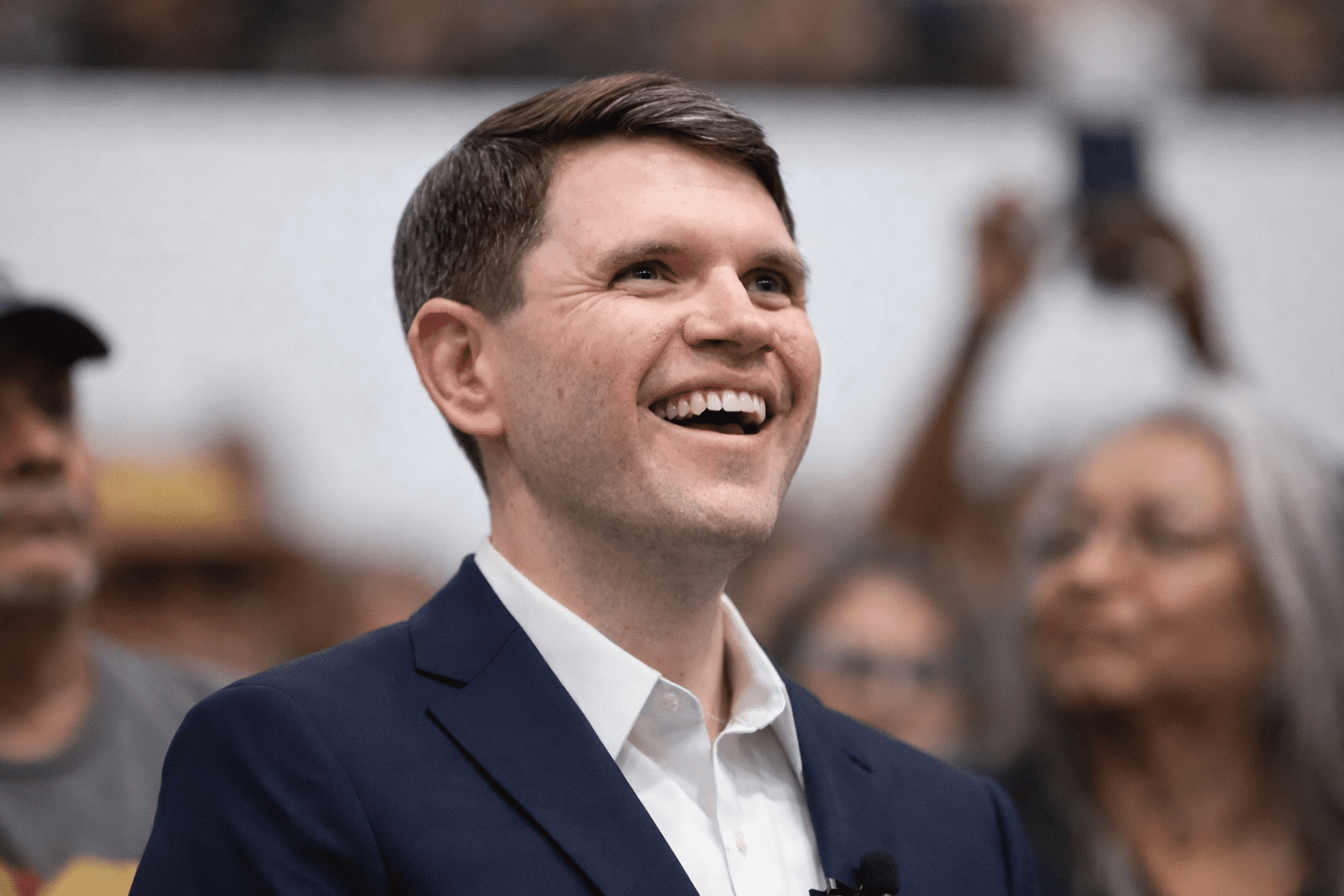
This pattern is already visible in the race involving Texas Democrat James Talarico, who recently secured the Democratic nomination for the United States Senate. As his campaign gains momentum and wider attention, critics have begun resurfacing old posts and comments on social issues, religious views and earlier political positions. These fragments of digital history are being presented in ways that raise questions about consistency, conviction and intent.
Individually, such posts may seem minor but politically can be used to construct a narrative that can compete with a candidate’s current social media post.
This reflects a broader shift in political campaigning, where digital archives have become the benchmark to how candidates are assessed, reassessed and challenged.
From Accountability to Weaponisation
Nick E. Smith, President of Polaris New York and former First Deputy Public Advocate in New York City, argues that social media now functions as a permanent archive for political scrutiny. “Social media posts, old videos and online personas often function as a kind of unofficial opposition research database,” he says. “Campaigns in the modern era routinely dig and examine years of digital history to understand how both political supporters and opposition might frame a contestant”
This raises a difficult question. Where does legitimate scrutiny end, and where does political manipulation begin. What begins as accountability can quickly turn into selective amplification, where past statements are stripped of context and reused to create a particular impression.
A single screenshot or old post can dominate a news cycle. Whether it shifts voter opinion is another matter.
Living in the ‘Eternal Digital Present’
Diana Yevsieieva, a PR and brand strategist and founder of Diana Yevsieieva PR and Communications, describes this environment as the Eternal Digital Present. In this space, past and present statements sit side by side, each capable of shaping how a candidate is understood.
There is no such thing as old news. Only dormant information waiting to be rediscovered.
This reality has forced campaigns to adapt. Political communication is no longer simply about presenting a message. It is about defending a record. A statement made years ago can carry the same weight as one made today, requiring candidates to account for their entire digital history at once.
To manage this, campaigns now conduct detailed reviews of a candidate’s online presence long before any public announcement is made.
“Digital archaeology is now essential,” Yevsieieva says. “Campaigns must uncover their own vulnerabilities before opponents do.”
In many ways, elections are no longer contests of vision. They are audits of memory. It remains unclear how the resurfacing of old posts truly influences voter behaviour. While such posts often dominate headlines, their long-term impact is less certain. Yevsieieva points to what she describes as a growing fatigue of outrage. Voters are exposed to so many controversies that their response begins to wear thin.
“The decisive factor is no longer the scandal,” she says, “but the candidate’s ability to explain their evolution without appearing defensive.”
Smith agrees that context matters.
“Resurfaced posts can dominate a news cycle,” he says. “But whether they shift voter opinion depends on the wider political environment and how campaigns respond.”
What This Means for Democracy
The persistence of digital records has strengthened accountability. Voters can now form a broader and more detailed picture of those seeking public office, even if the meaning of that record is often debated. People think laterally, drawing on years of online material to judge character and consistency.
There is another side to this. When political debate becomes driven by echoes of the past, attention can drift away from policy and plans. Voters may find themselves judging candidates less on their future direction and more on how old comments are interpreted in the present.
This shift places candidates in a difficult position because they must learn how to be open and cautious at the same time.
The digital record was created to support transparency, but it has also produced a more complicated environment where information is always available although not always presented with full context.
A New Kind of Political Pressure
This matters for democracy. When political judgement is shaped by oversight instead of substantive debate, the quality of public decision-making is at risk. Elections begin to look more like examinations of the past than choices about future policy.
In this climate, candidates are not only contesting against their opponents. They are running against their own history.
Expert Insights

Nick E. Smith
President, Polaris New York
Former First Deputy Public Advocate, New York City
Key Points
• Social media posts, old videos and online personas often act as an unofficial opposition research archive.
• Campaigns examine years of digital history to understand how a candidate might be framed.
• Resurfaced posts can dominate a news cycle, although their influence depends on timing, context and campaign response.

Diana Yevsieieva
PR and Brand Strategist
Founder, Diana Yevsieieva PR and Communications
Key Points
• We are living in an Eternal Digital Present, where a post from years ago can carry the same weight as a statement made today.
• Political communication has shifted from narrative building to narrative defence.
• Digital archaeology is now essential because campaigns must uncover their own vulnerabilities before opponents do.
• There is no old news in politics, only dormant information waiting to be rediscovered.