By Olakunle Agboola
London wakes early. Buses roar past, cars crawl through traffic, and office workers hurry with coffee cups in hand. The city hums with urgency and routine. Inside a modest flat in South London, Mama Grace begins her day long before the rush. She moves quietly through the kitchen, preparing breakfast and folding laundry before waking her granddaughter for school. The parents she loves hurry to work, unaware of the quiet force that keeps their home steady.
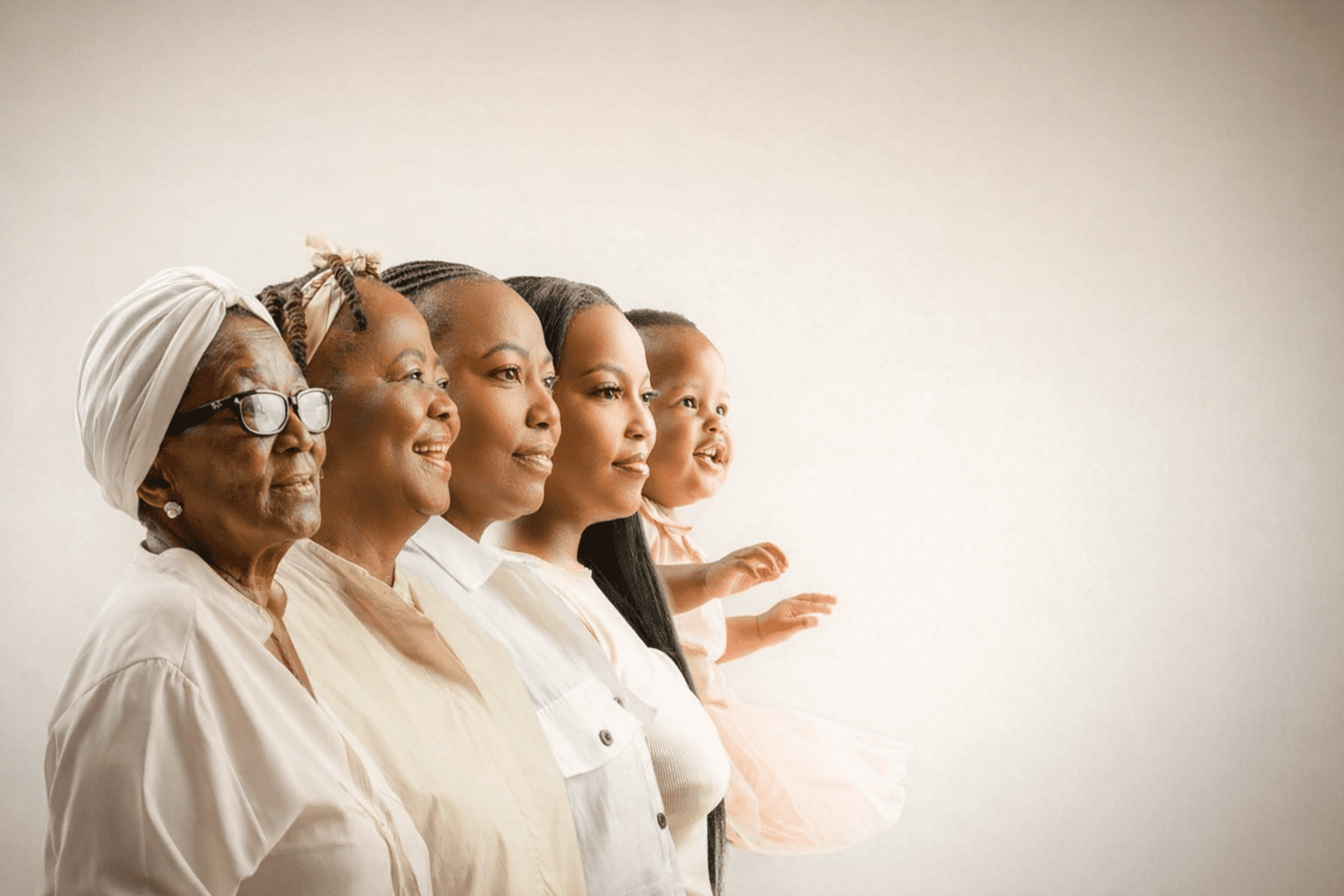
For many Nigerian families living abroad, grandmothers like Mama Grace are more than relatives visiting for a few months. They are the invisible hands that hold entire households together. They rise before dawn, feed children, soothe crying babies, and restore calm where exhaustion might otherwise rule. Their presence fills homes with patience, tradition, and love that no paid care can replace.
“Childcare here is overwhelming,” says Tolu Oni, a nurse in London. “I could not manage without my mother. She feeds the baby, drops my son off at school, and keeps the house in order while I work night shifts. Sometimes I pause just to watch her. She is the reason I can keep going.”
Full-time nursery care in London costs more than £239 a week. For many immigrant families, that amount covers essential bills such as council tax or utilities. Bringing a mother from Nigeria offers stability, trust, and cultural grounding that money cannot buy.
“My mother and mother-in-law have saved my family more than I can measure,” says Bola Adu, another nurse in London. “They rotate visits every six months and have done so for three years. They give what no nursery can offer, and that is reassurance, familiarity, and a sense of home. The children feel it, and so do we.”
UK visitor visas allow a six-month stay and prohibit paid work. Families adapt by rotating grandmothers. One leaves, another arrives. In 2024, over 33,000 visitor visas were issued to Nigerians under family categories. Immigration experts describe these women as unpaid caregivers quietly filling childcare gaps.
Grandmothers have always been central to child-rearing in Nigeria. The saying “it takes a village to raise a child” reflects lived reality. Abroad, that village grows smaller, and these grandmothers rebuild it piece by piece.
“For us, it is not only about money,” says Chika Ozoya, a tech consultant in Manchester. “It is about trust. My mother raised me. She knows how to raise my children in ways I deeply respect.”
Even the children notice. Eight-year-old David Ola beams as he leaves school. “Grandma’s food tastes better than school lunch,” he says. “She tells stories about Nigeria that make me laugh.”
Canada recognises the importance of this kind of family support through its Super Visa programme, which allows parents and grandparents to stay for up to five years. Over 40,000 Super Visas were issued in 2023. Many UK families imagine a similar system that would give them relief from constant visa renewals and separations.
“If the UK had a programme like that, our lives would be easier,” says Tolu Oni. “Every six months feels like a race. We time arrivals and departures like a relay. It is exhausting but necessary.”
Grandmothers also make enormous personal sacrifices. Mama Grace, now 68, divides her year between London and Lagos. “I do not mind the travel,” she says with a smile. “I love my grandchildren. Seeing them smile, holding their hands, and hearing them call me Grandma gives my life meaning. Six months here, six months home, it keeps me strong.”
The challenges are real. Flights are expensive, visas uncertain, winters harsh, and family celebrations in Nigeria often missed. Madam Rachell, who lives with her daughter in East London, shares quietly, “I keep busy with streaming shows and calls to friends at home, but there are lonely moments. Summer is beautiful, winter is difficult. The weather here changes like Nigeria’s power supply.”
These women are the unseen pillars of both family and economy. If their caregiving were counted, economists estimate it would be worth millions of pounds each year. Alongside Nigeria’s annual twenty billion dollars in remittances, their unpaid labour sustains households and communities across continents. Their work remains unrecorded, unrecognised, and uncompensated.
Sociologist Dr Temitope Adebayo describes them as “mobile kinship anchors.” They are not migrants in the usual sense. They are bridges between generations, custodians of values, and lifelines across oceans.
When school ends in South London, children rush from classrooms shouting, “Grandma!” Their laughter echoes through the cold evening air as they run into warm, waiting arms. Small acts of love travel farther than flights, visas, or borders.
Mama Grace says softly, “We raised our children. Now we are raising their children too.”
Migration is more than the pursuit of a better life. It is the quiet inheritance of love, resilience, and culture carried from one generation to another.