Part 3: The Illusion of the West: Propaganda and the Control of Perception
Media, Power and Perception – by Olakunle Agboola
If Parts 1 and 2 examined how Africa and the West have been framed in global media, Part 3 looks at something deeper: the way political narratives and propaganda shape international perception, often masking the true costs of foreign interventions.
Across decades, Western powers have positioned themselves as the “saviours” of the world. Media coverage frequently reinforces this idea, presenting military actions, regime changes or foreign aid as acts of moral responsibility. History and first-hand accounts, however, reveal a far more complex reality.
Media, Power and Perception – by Olakunle Agboola
Consider ongoing conflicts in the Middle East. Coverage of tensions between Israel and Iran often portrays Western nations as protectors of peace while casting opposing countries as threats. In practice, these narratives conceal a network of strategic interests including resource control, regional influence and the protection of allies. Media outlets rarely highlight the long-term consequences for local populations.
This pattern has deep roots. Across Africa, Western interventions have left profound and lasting marks. From covert operations by the CIA to post-colonial influence in former French territories, narratives promoted by Western media frequently emphasise benevolence while downplaying exploitation, economic control and political manipulation. Leaders who resisted foreign agendas were often vilified, removed or assassinated, while the wider public remained unaware of the forces shaping their nations.
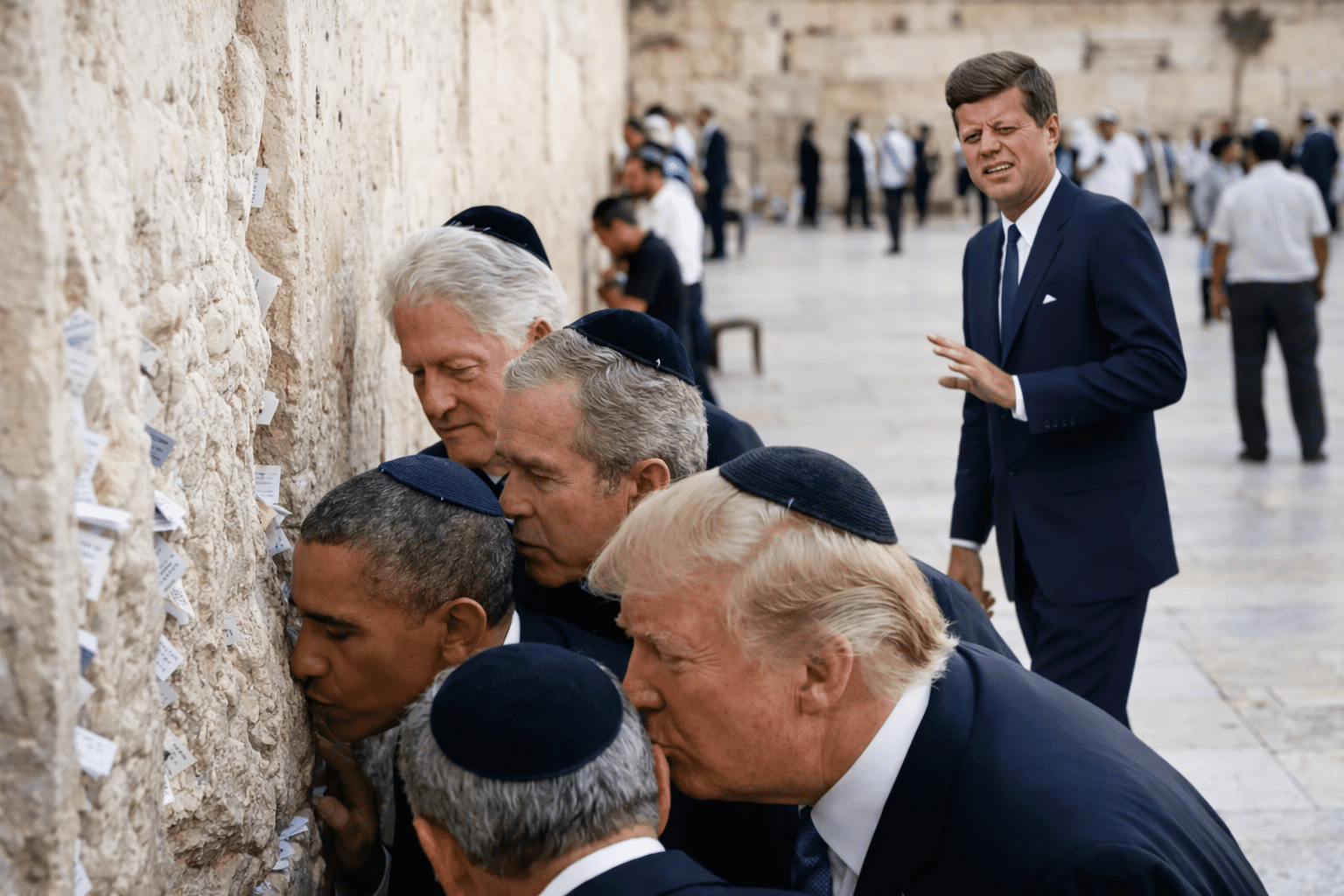
Narratives are also constructed through religion and culture. Israel, for instance, is often framed in media as a biblical homeland or a symbol of moral righteousness. Millions of Africans continue to pray for the country, unaware of how geopolitical and economic interests influence these portrayals. These social constructs act as subtle forms of control, reinforcing the perception of Western and allied moral authority.
The irony is that many Africans, and global audiences more broadly, consume these narratives without critical context. They celebrate foreign interventions, donate to humanitarian causes framed by Western media and assume the West is always acting for the common good, while the realities of resource extraction, regime control and covert operations remain hidden.
This does not imply that Western societies are inherently malevolent. The point is that narratives are curated. Governments and media outlets highlight certain stories and suppress others, creating a perception that serves broader strategic objectives. Wars, sanctions and humanitarian missions are framed as moral imperatives, while structural consequences such as economic collapse, societal disruption and loss of sovereignty receive far less attention.
African audiences are particularly vulnerable to these narratives. Years of consuming media that portrays their own continent through crisis, combined with idealised images of the West, create fertile ground for accepting simplified and often misleading stories. From Libya and Kuwait to contemporary tensions in Iran, media framing shapes public opinion, policy support and even religious and cultural perspectives.
The landscape is beginning to shift. Digital platforms, citizen journalism and alternative media outlets are exposing the gap between narrative and reality. Africans and global audiences are increasingly able to see beyond curated stories, critically examining claims and questioning the saviour narratives that have long dominated global discourse.
Perception is often manufactured and recognizing this is the first step toward agency. In Part 4, we explore why Western media continues to dominate Africa and what it would take for the continent to reclaim its own narrative.
https://videohighlight.com/v/5mDuxFnn2RY?utm_source