
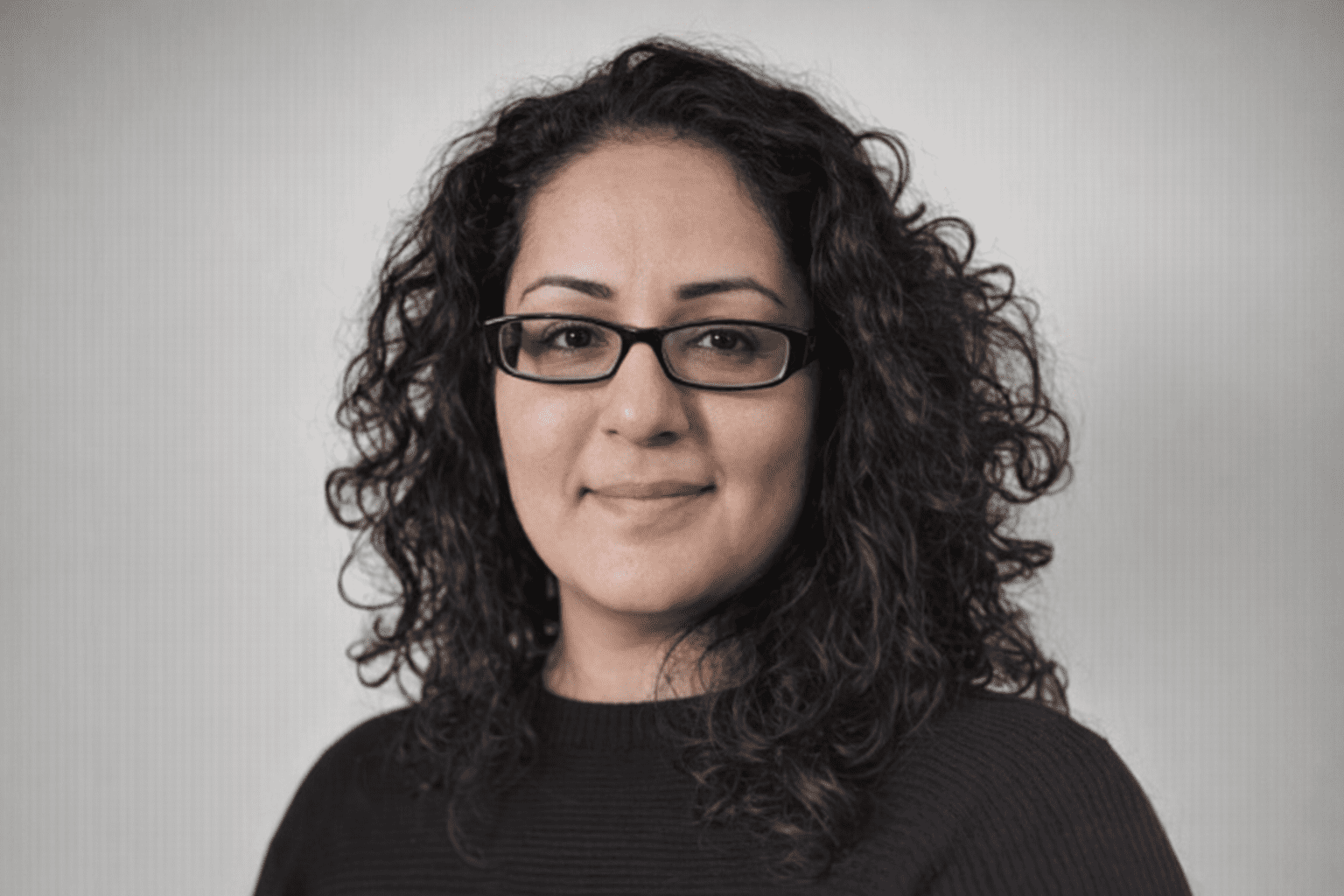
A Canadian cleantech professional reflects on a career disrupted after a public broadcast, and the personal cost of speaking within a high-stakes industry.
By Olakunle Agboola
Verification
Documents reviewed: Aman Chahal’s timeline; screenshots of account activity and timestamps; selected correspondence provided by the subject.
Documents not provided: full platform logs; internal communications from third parties; police reports; full forensic exports.
Scope: This article presents Aman Chahal’s first‑person account; TCMP did not conduct a forensic audit or legal review.
How to verify: To request access to redacted documents, email TCMP at [editor@circlemediaplus.co.uk] and specify the items you wish to review. TCMP will provide redacted documents only where the subject has consented.
Editorial Note
This story is a human‑centred account based on interviews with Aman Chahal and documents she supplied to the reporter. It is presented as the subject’s personal experience rather than as independently established fact. TCMP has not independently verified every factual assertion and has not undertaken a forensic audit or legal review. TCMP will provide redacted documents on request where the subject has consented; sensitive personal data will be redacted in line with editorial policy. TCMP will update this article if independently verifiable evidence is provided.
Three years ago, Aman Chahal was staying with a friend in Calgary when a stranger approached her, claiming to have information about developments surrounding her situation. The encounter followed shortly after she appeared in a CBC News segment covering an auditor general’s report into federal procurement practices, where she spoke about investment systems and the need for stronger commercial pathways in cleantech funding. In the segment, she called for “developing real commercial funds”, placing herself within a wider debate on how public investment translates into market impact.
She did not know the individual and remained uncertain about their intentions. What appeared to be concern also felt intrusive. At the time, she was already navigating a growing sense of distrust around institutional systems and professional networks. She maintains that her public comments were grounded in her experience, with nothing withheld beyond what she had already shared.
At that stage, her career had been developing steadily. She had begun to appear in industry conversations and public discussions on investment and climate innovation, contributing to debates on how emerging technologies could move from concept to market. Her focus was on the structural gap between innovation and adoption. Explore her projects on Cleantecher.
“We have the technology. What we need is commercialisation and regulatory change.”
She points to Canada’s dual position as both a major energy producer and an advocate for climate reform, describing it as a country with significant influence in shaping global outcomes. She also highlights the role of women within the sector, arguing that participation is critical in what she describes as a solutions-driven and socially responsive field.
Disruption and Uncertainty
Following the broadcast, Chahal describes a series of developments that marked a turning point in her life.
Her LinkedIn account was removed. Professional communication became inconsistent. She recalls disruptions during virtual meetings and irregularities across her digital platforms, which she later interpreted as possible interference. She also reports that her two-factor authentication had been compromised, a situation she says would be nearly impossible without intervention.
In seeking clarity, she contacted LinkedIn and says she received correspondence indicating that concerns had been raised about her by a third party linked to a fund or organisation she had previously engaged with. That organisation has since been shut down.
The effect, she says, was immediate and far-reaching.
“It collapsed my life. Fully.”
Personal and Professional Fallout
The disruption extended beyond her professional identity.
Chahal describes a clear divide between her life before and after these events. Relationships fell away. Professional networks disappeared. Efforts to re-establish herself outside Canada, including in the United States and Europe, did not materialise.
“You think these connections have value. They have value for you, not for them.”
Financial strain followed, bringing sustained pressure. At the same time, the loss of routine had a deeper impact. For someone who relies on structure and quiet routine, the disruption was particularly difficult.
“I miss my mornings and evenings.”
Coping and Continuity
In the absence of stability, Chahal adopted a practical approach.
“One step in front of another.”
She turned to creative outlets, including art and digital content, to process her experience and maintain a sense of continuity. These practices became both expressive and therapeutic. Listen to her interview on SoundCloud
“I cried into the mic.”
Reflection and Perspective
Looking back, Chahal expresses mixed feelings about her decision to speak publicly.
“Perhaps I should have stayed silent.”
She challenges the perception of whistleblowing as straightforward or rewarding, describing it instead as complex and often isolating. At the same time, she maintains that public discourse remains necessary.
“I would be curious to hear another perspective. That was always the intention. To start a conversation.”
She aimed to contribute to a broader national dialogue around cleantech investment and policy, encouraging practical engagement with the realities of funding and implementation.
A Shift in Direction
For now, her professional direction has changed.
She describes her current phase as a move away from the technology sector and towards creative work. Her company is no longer active, and attempts to re-enter the industry have not succeeded.
“Nothing worked.”
Art, she adds, offers a different kind of value.
“It is good for the soul either way.”
A Broader Lens
Chahal believes her experience reflects wider structural concerns.
Her account intersects with broader debates around institutional accountability, digital platforms, and the treatment of dissenting voices. She argues that women in Canada are often placed in visible roles without corresponding authority, and that raising concerns can lead to exclusion rather than engagement.
These claims remain personal and contested, but she calls for greater accountability, including independent systems of support for women navigating institutional challenges.
Endurance
Despite the disruption, her position remains firm.
“I refuse to break.”
It is a statement shaped by loss and sustained by resolve. Her circumstances continue to evolve, and the future remains uncertain. What remains is a determination to continue, on her own terms.