Part 5: Reclaiming the Narrative, Africa’s Voice in a New Media Era
By Olakunle Agboola
After examining how Africa has been framed, how the West has been elevated, how propaganda shapes perception, and why external narratives still dominate, the final question is simple: What comes next?
Media, Power and Perception – The Circle Media Plus
The answer lies in control.
For too long, Africa’s story has been told from the outside. Even when intentions were not entirely harmful, the result has been a distorted global image, one that highlights struggle while often overlooking strength, innovation and progress. That imbalance has shaped perception, policy and identity.
That era is beginning to shift.
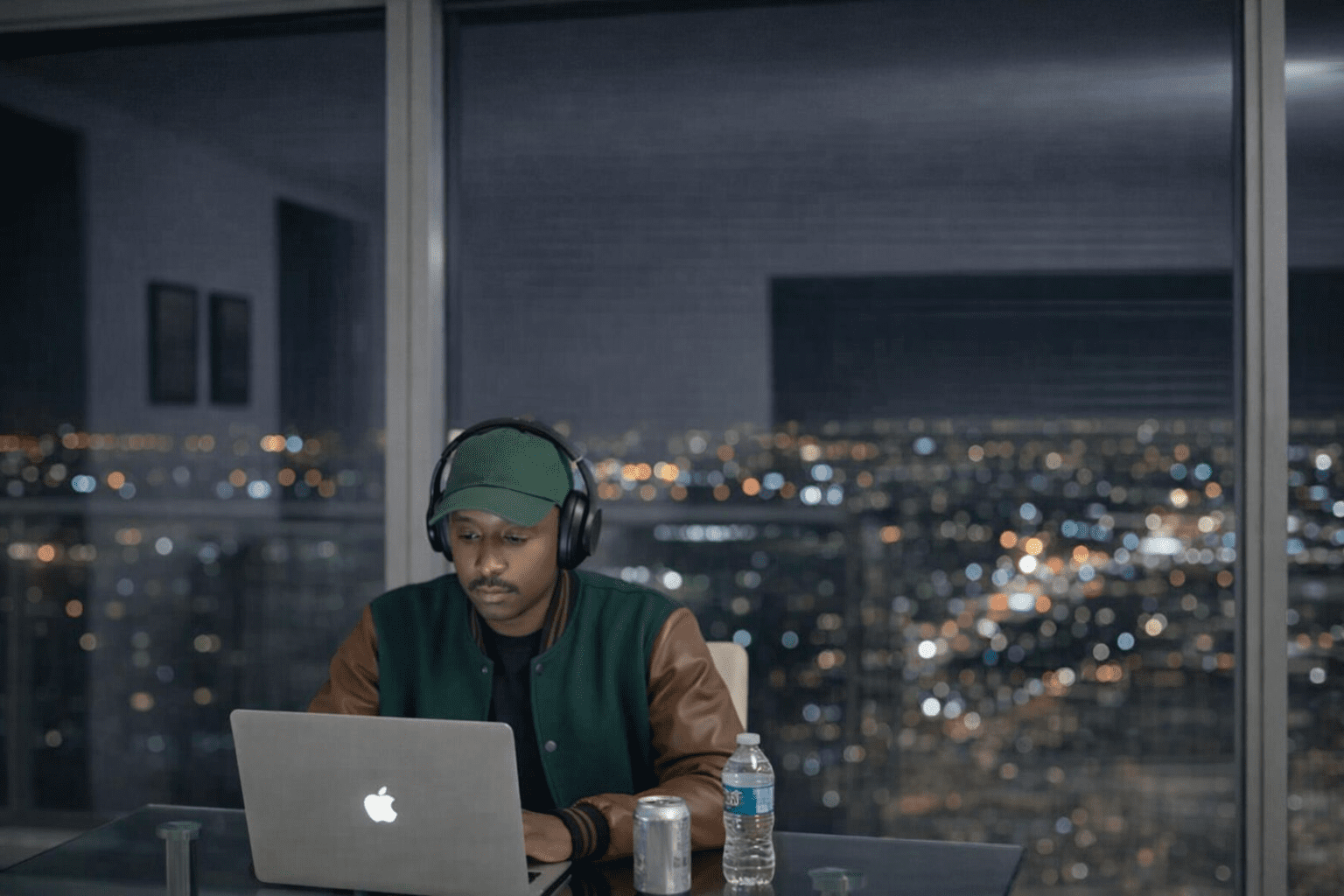
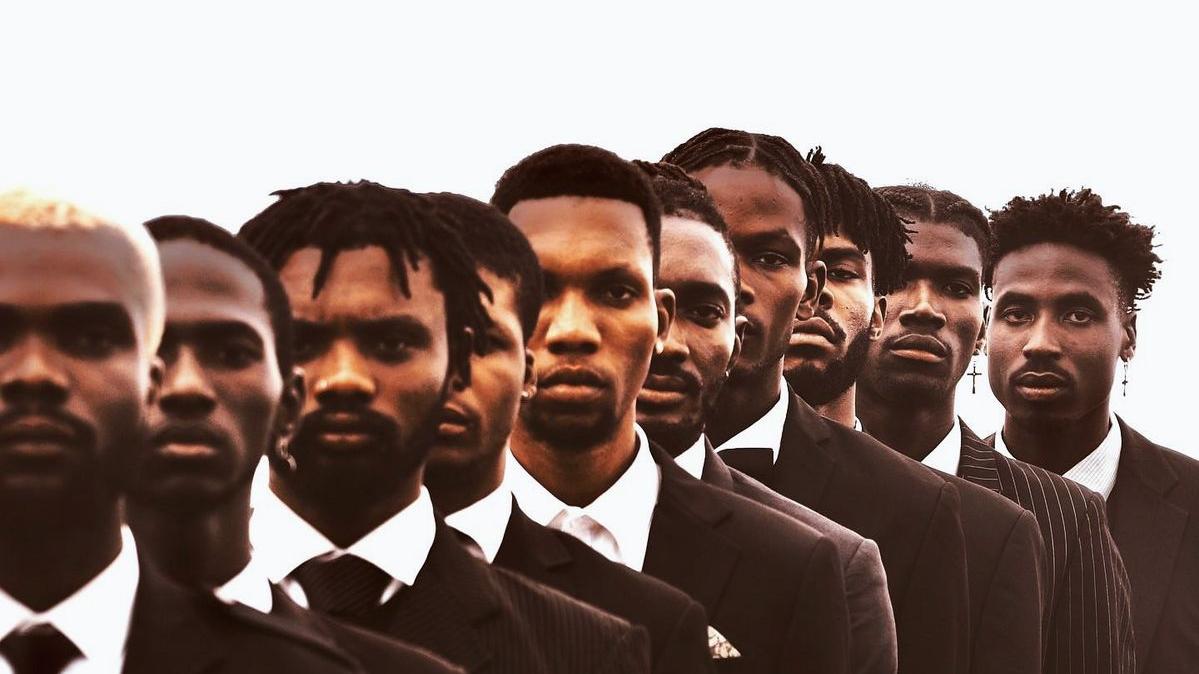
Across the continent and in the diaspora, a new generation of storytellers is emerging. Journalists, filmmakers, content creators and digital entrepreneurs are using technology to bypass traditional gatekeepers and speak directly to global audiences. They are documenting everyday life, highlighting innovation, celebrating culture and challenging outdated narratives.
Media, Power and Perception – The Circle Media Plus
This is not just about representation. It is about ownership.
Owning the narrative means building strong media institutions, investing in local journalism, and creating platforms that reflect African realities with depth and accuracy. It means telling stories that are honest about challenges while equally committed to showcasing solutions, resilience and growth.
It also requires responsibility.
African media cannot simply replace one form of bias with another. Credibility will depend on balance, integrity and a commitment to truth. The goal is not reverse propaganda, it is clarity, context and authenticity.
Governments, private investors and creatives all have a role to play. Strategic investment in media infrastructure, support for independent journalism, and policies that encourage cultural storytelling can reshape how Africa is seen globally.
The digital age has created an opening.
Social media, streaming platforms and independent media channels have lowered the barriers to entry. For the first time in modern history, Africa does not need permission to tell its story. The tools are available, the audience is global, and the opportunity is real.
Media, Power and Perception – The Circle Media Plus
What remains is intention.
The future of Africa’s narrative will not be decided by Western media alone, nor by algorithms or legacy institutions. It will be shaped by those who choose to tell the story differently, consistently and with purpose.
The question is no longer whether the narrative can change.
The question is who will take responsibility for changing it.
As this series ends, one truth stands clear: narratives shape perception, and perception shapes reality. What has been explored across these five parts is not just about Africa or the West, it is about power, how it is built, sustained and projected.
From the single story of Africa to the branding of the West, from the machinery of propaganda to the dominance of global media systems, one pattern remains consistent: those who control the narrative often shape how the world is understood.
Africa has never lacked stories. What it has lacked is control over how those stories are told, distributed and consumed.
Media, Power and Perception – The Circle Media Plus
That reality is now being challenged.
The next series will go deeper into the architecture of media power, who controls it, how influence is engineered, and how thought itself is shaped.
Because in the end, one truth remains, he who owns the media owns the mind.